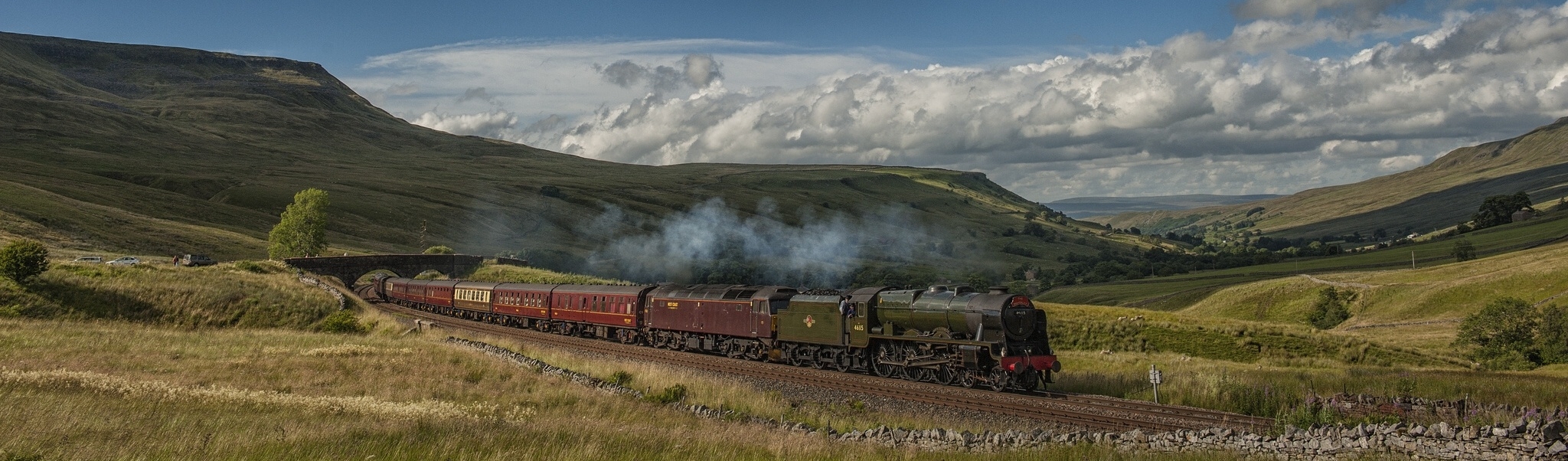
The Prussian State Railways designated various freight locomotives with 0-4-2 wheel arrangement as G 2, which had been procured by their predecessor railways. Some of them, also designated as G 2, were actually assigned to the G 3 and had the wheel arrangement 0-6-0, but the assignment of the generic designations was partly in the hands of the regional administrations. The first locomotives of this type were procured from 1888 by the Schleswig-Holstein Marsh Railway and were based on an older type from 1866. Due to the arrangement of the chassis, the middle axle was driven and the front axle was coupled, which due to the constellation of the driving and coupling rods earned them the designation “scissor locomotive”.
With a wheel diameter of more than 1,500 mm, the engines were faster than conventional freight locomotives, which is why they were sometimes used in front of passenger trains. The smaller wheels of the trailing axle resulted in the advantage that the firebox had enough space and the driver's cab could be made more spacious. In addition, the staff was able to enjoy smoother running because they were a little away from the driving axles.
After the Marsh Railway was taken over by the state railways, the plans for a standard design were drawn up from these locomotives, which was subsequently ordered by various directorates in Prussia. A disadvantage of the trailing axle, which was moved far to the rear, was that it now carried a weight of 15 tonnes, while the coupled axles together only carried 22 tonnes.
Production was discontinued after a total of 45 engines, as these were soon no longer sufficient for freight trains. Since the locomotives, as already mentioned, were also used to pull passenger trains, some of them became P 2 or P 3 when the designations were standardized in 1905. Other locomotives were designated G 2, which actually would have been G 3s. At the Reichsbahn, the engines were no longer given new numbers, since all of them had already been retired by 1923.