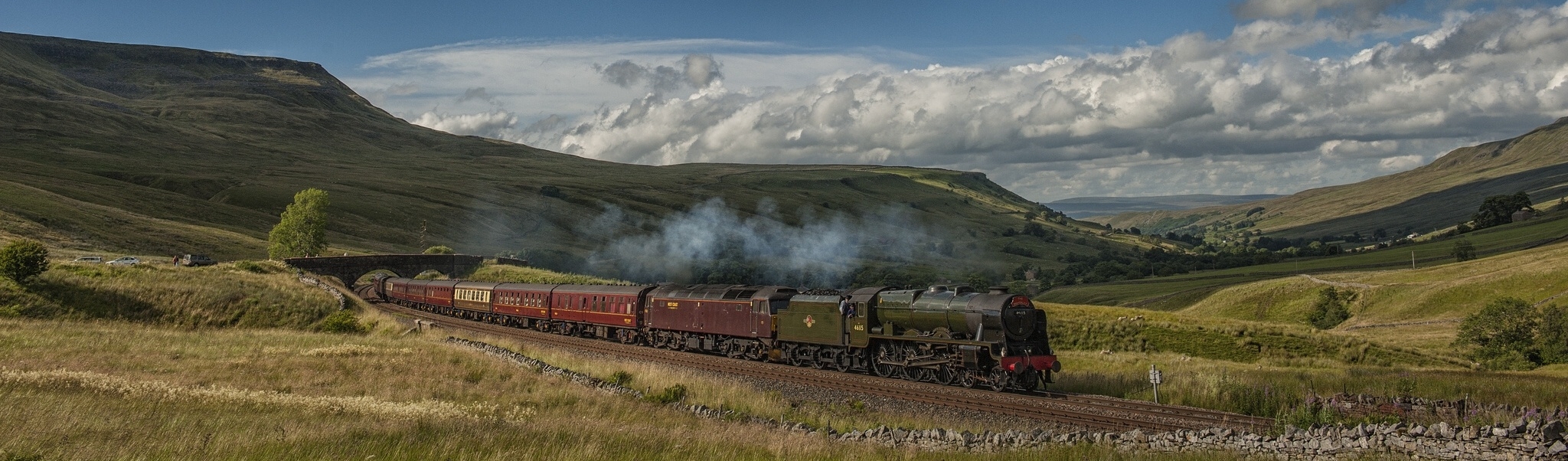



Tender Locomotives 2-6-0 “Mogul”
UIC Classification 1'C
The wheel arrangement 2-6-0 stands for a locomotive with one leading axle and three driven axles. The following designations exist in the different naming systems:
Mogul
UIC: 1'C
Whyte: 2-6-0
Switzerland: 3/4
France: 130
Turkey: 34
The first 2-6-0 locomotives had a rigid leading axle, like the PRR class D built in 1852. As this arrangement did not have many advantages, not many locomotives of this type were built and some of the existing ones were rebuilt to other wheel arrangements like 4-6-0. Only the development of the Bissel truck a few years later led to the construction of more 2-6-0 locomotives with a flexible leading axle from around 1860.
In the USA, this wheel arrangement quickly became widely used as a standard freight locomotive and was called “Mogul”. Compared to the 4-4-0 it had a greater adhesive weight, but still adequate running characteristics on the typical American tracks. At some point heavier freight trains were hauled by the 2-8-0 “Consolidation” and faster freight trains were taken over by the 4-6-0 “Ten-wheeler”. But the Mogul remained a popular choice for many lighter or slower services. Large-scale production for US railroads ended around 1910 when 11,000 had been built for use in this country.
In Europe, the 2-6-0 became a mixed traffic locomotive due to the generally better tracks. This not only meant that they were also used for express freights and slower passenger trains, but there were also dedicated passenger variants with larger drivers. The Prussian State Railways ordered more than 2,000 2-6-0 locomotives, mostly for freight service. British railway companies usually used 0-6-0 locomotives for regular freight traffic, but a long strike around 1900 also made several companies order 2-6-0 locomotives from the USA for this task. In the fifties, British Railways built mixed traffic standard locomotives of power classes 2, 3 and 4 with this wheel arrangement.
Locomotives
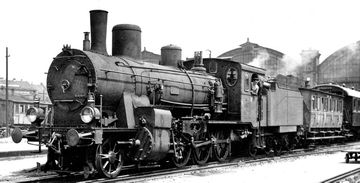
Bavarian C VI and G 3/4 N
Germany
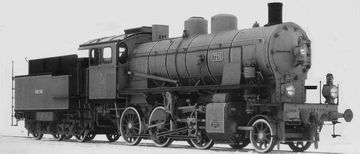
Bavarian G 3/4 H
Germany

British Rail Standard class 2
Great Britain

British Rail Standard class 3
Great Britain
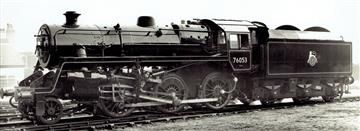
British Rail Standard class 4 (2-6-0)
Great Britain
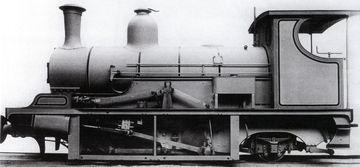
Cape Copper Co. Scotia class
South Africa
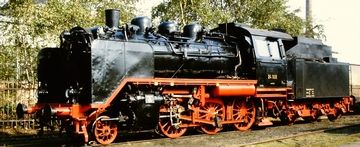
German Reichsbahn class 24
Germany
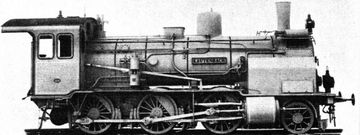
Alsace-Lorraine G 5
Germany
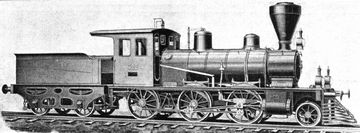
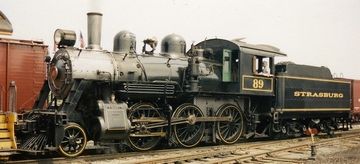
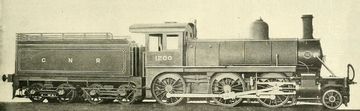
Great Northern (UK) class H1
Great Britain
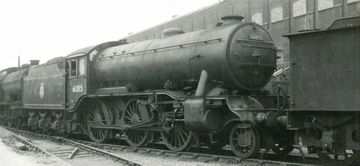
Great Northern (UK) class H4
Great Britain

Great Western Railway class 4300
Great Britain
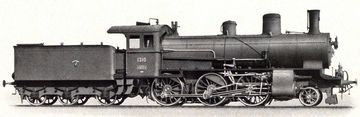
Jura-Simplon and Swiss Federal Railways B 3/4
Switzerland
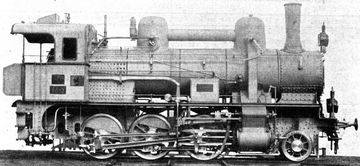
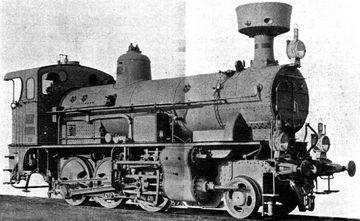
Imperial-Royal State Railways class 160
Austria-Hungary
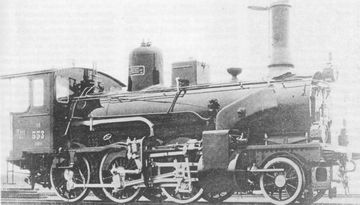
Emperor Ferdinand Northern Railway VIII
Austria-Hungary

London & North Eastern Thompson/Peppercorn class K1
Great Britain
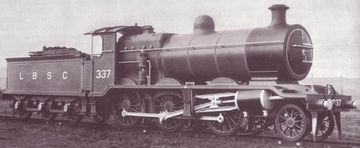
London, Brighton & South Coast class K
Great Britain
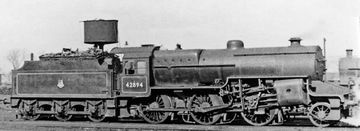
London, Midland & Scottish Horwich Mogul “Hughes Crab”
Great Britain
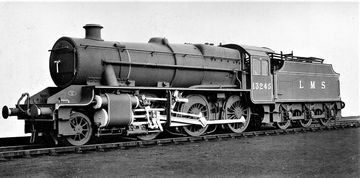
London, Midland & Scottish Stanier Mogul
Great Britain
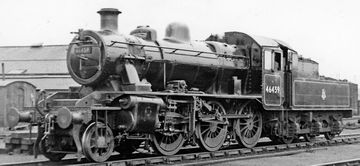
London, Midland & Scottish Ivatt class 2 2-6-0
Great Britain
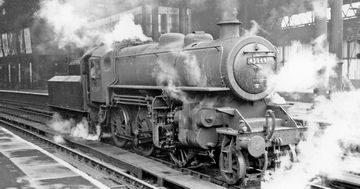
London, Midland & Scottish Ivatt class 4
Great Britain
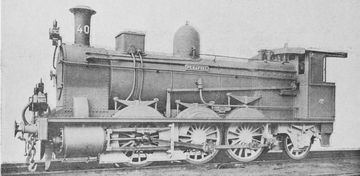
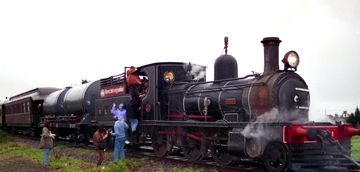
Nordeste “Yatay”
Argentina
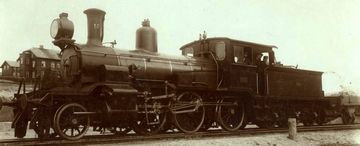

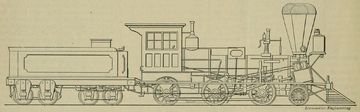
Pennsylvania class D
United States
![Prussian G 5[h]1[/h]](/data/photosTN/preussische_G5.1.jpg)
Prussian G 51
Germany
![Prussian G 5[h]2[/h]](/data/photosTN/preussische_G5.2.jpg)
Prussian G 52
Germany
![Prussian G 5[h]4[/h]](/data/photosTN/preussische_G5.4.jpg)
Prussian G 54
Germany
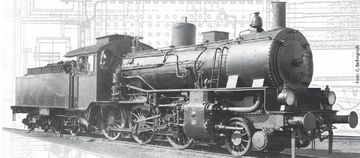
Prussian P 6
Germany
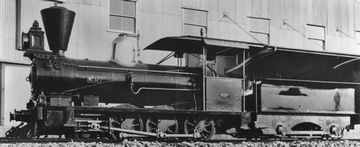
Queensland Railways class E
Australia
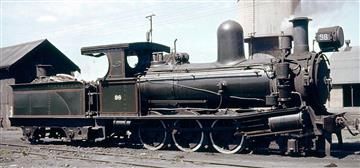
South Australian class Y
Australia
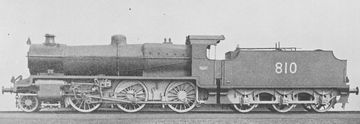
South Eastern & Chatham class N
Great Britain
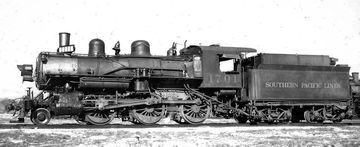
Southern Pacific class M-4
United States
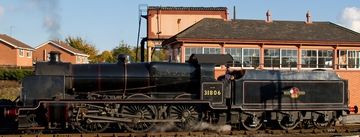
Southern Railway (UK) class U
Great Britain
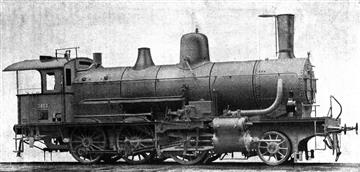
State Railway Company class 38.0
Austria-Hungary

Wabash classes F-4 and F-5
United States
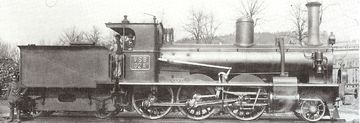
United Swiss Railways B 3/4
Switzerland
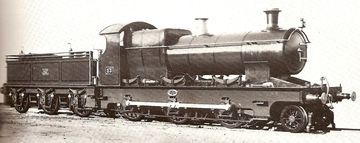
Great Western Railway class 2600 “Aberdare”
Great Britain
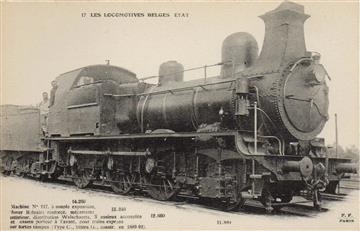
Belgian Railway types 6 and 6bis
Belgium
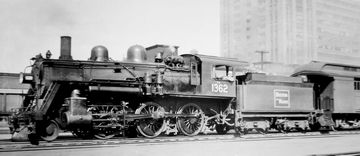
Boston & Maine class B-15
United States
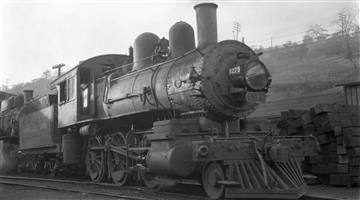
Pennsylvania class F-1
United States
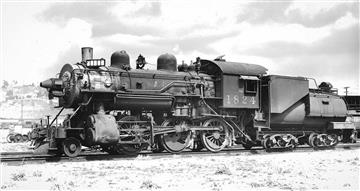
Southern Pacific class M-6
United States
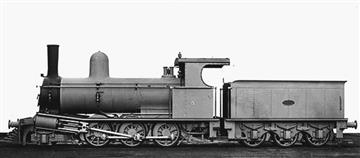
Tasmanian Government class C
Australia
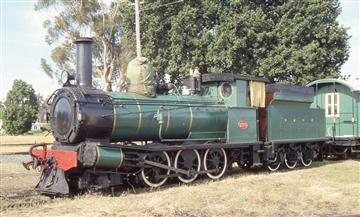
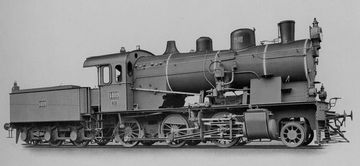

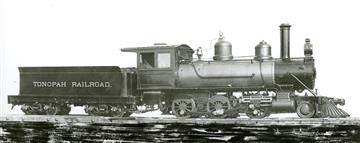
Tonopah & Goldfield No. 1 and 2
United States
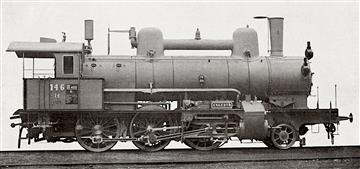
Aussig-Teplitz Railway Id
Austria
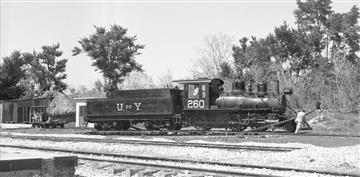
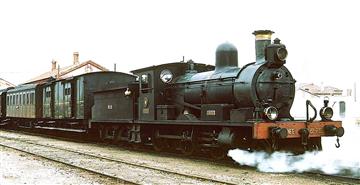
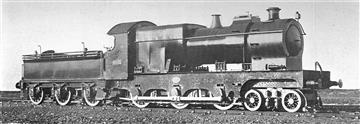
Great Western Railway class 2601 and 2602 “Kruger”
Great Britain