


Tender Locomotives 2-8-2 “Mikado”
UIC Classification 1'D1'
The wheel arrangement 2-8-2 stands for a locomotive with one leading axle, four driven axles and a trailing axle. The following designations exist in the different naming systems:
Mikado
UIC: 1'D1'
Whyte: 2-8-2
Switzerland: 4/6
France: 141
Turkey: 46
The Mikado was basically a 2-8-0 “Consolidation” with a trailing axle added to carry a large, wide firebox. In this configuration its tractive effort is not much higher than that of the Consolidation, but the larger firebox could create more steam at speed, while the trailing axle might have added additional guidance. In another sense, the Mikado can also be seen as a 2-6-2 “Prairie” with an additional driving axle, allowing for a larger boiler and more tractive effort.
The Lehigh Valley had already rebuilt its No. 82 „Bee” in 1882 from 2-10-0 into a 2-8-2, but this was done to improve curve negotiation. Only two years later Baldwin built four 2-8-2 locomotives for the Chicago & Calumet Terminal Railway, but these also had a narrow firebox and also had been created as a more flexible replacement for 2-10-0 locomotives.
The first class of 2-8-2 tender locomotives with a wide firebox, i.e. the first true Mikado in the later sense, was built in 1897 by Baldwin for the Japanese Government Railways. The requirement that led to this wheel arrangement was the necessity to increase power while burning low-grade coal, what could only be accomplished on the Cape gauge with a wide firebox. These locomotives were designated Bt4/6 and later class 9700, and established the name for this wheel arrangement since “Mikado” is a title for the Japanese emperor.
In the USA the Mikado became the main type for heavy freight service from the 1910s. Although they had a similar haulage capacity compared to modern Consolidations, they could attain higher speeds with similar trains. In the twenties they lost even faster freight services to the 2-8-4 and heavier trains to the 2-10-2 or articulated locomotives. But the Mikado was still sufficient for most other freight services, so production went on in large numbers. Altogether, US builders completed around 14,000 Mikados, of which 9,500 went to railroads in the own country. During World War II, they were called “MacArthurs” to avoid the Japanese name. In Canada, the Mikado was also used for passenger service in the Rocky Mountains.
The largest numbers of 2-8-2 locomotives outside the USA were used in India and China. Before World War II, Indian operators ordered locomotives like the classes XD and XE for broad gauge, the YD for metre gauge and the ZD for narrow gauge. After the War, Indian Railways received 2,450 WG for broad gauge and 1,074 YG for metre gauge. China operated nearly 4,000 of the classes JS and SY, the last of which were built in 1999. Also Japan built a four-digit number of Mikados, namely the classes D50, D51 and D52.
In Europe, France was the largest operator of Mikados, which were designated “141” in the French notation. From 1918, the PLM alone ordered 680 of the class later called 141 C which were four-cylinder compounds and used for passenger and freight service. Starting in 1942, the SNCF received 318 141 P, also four-cylinder compounds, which were very powerful and efficient at the same time. After the war ended, North American builders built 1,340 141 R which had only two cylinders, but quickly filled the need for powerful mixed traffic locomotives.
In Germany, there were some 2-8-2 designs for express, passenger and fast freight service. The Saxon XX HV was a four-cylinder compound for express service in the mountains with drivers of 1,905 mm. The Prussian P 10, later class 39 and the postwar class 22 of the East German Reichsbahn were mainly used in passenger service with drivers of 1,750 mm. For fast freight service, the class 41 was part of the standard program with drivers of 1,600 mm. Additionally, there was the streamlined 19 1001 prototype with single-axle drive and a top speed of 175 km/h.
Italy was another country to use high-drivered Mikados of the class 746 for heavy express service in the mountains. In Spain, the Norte started to import 2-8-2 locomotives from ALCO in 1917. The RENFE got 242 from 1953 which were built by British and Spanish manufacturers. In Poland, the Pt31 and Pt47 with a driver diameter of 1,850 mm were used in express service. In the UK, there were only eight 2-8-2 tender locomotives in total which were the Gresley classes P1 and P2 built for the LNER.
Locomotives
Canadian National class S-1
Canada
China Railway class JS
China
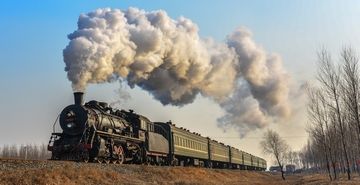
China Railway class SY
China
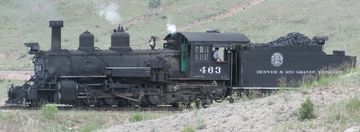
Denver & Rio Grande Western class K-27
United States
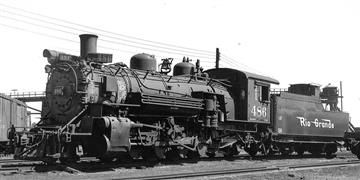
Denver & Rio Grande Western class K-36
United States
![German Reichsbahn class 19[h]10[/h]](/data/photosTN/DR_19.10.jpg)
German Reichsbahn class 1910
Germany
![German Reichsbahn class 22, later class 39[h]10[/h]](/data/photosTN/DR_22.jpg)
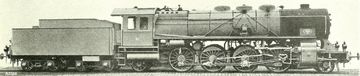
German Reichsbahn class 39
Germany

German Reichsbahn class 41
Germany
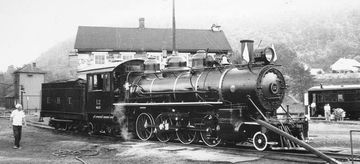
East Broad Top No. 12
United States
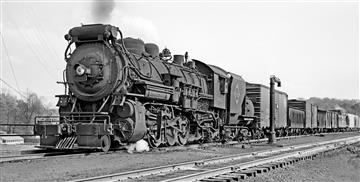
Erie class N-1
United States
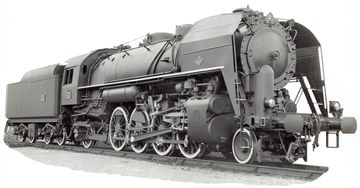
French State Railway 141 R
France

Frisco Lines classes 4100, 4135 and 4150
United States
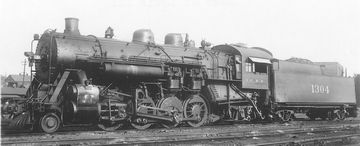
Illinois Central class 1701
United States
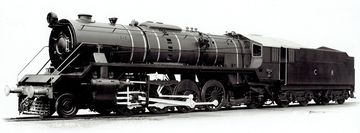
Indian Railways class WG
India


London & North Eastern class P1
Great Britain

London & North Eastern class P2
Great Britain
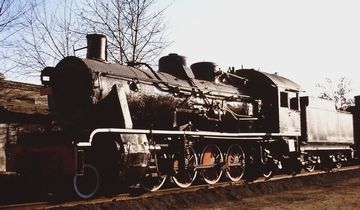
Manchurian Railway Mikasa class
Manchuria
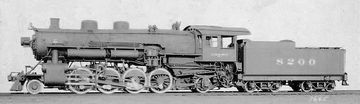
Milwaukee Road classes L1 and L2
United States
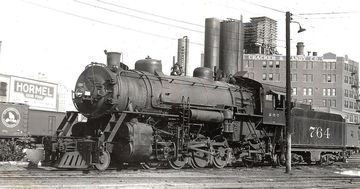
Missouri-Kansas-Texas classes L-1a and L-1b
United States
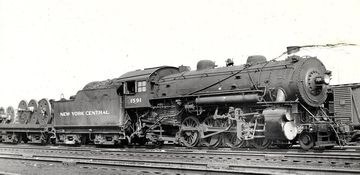
New York Central class H-5
United States
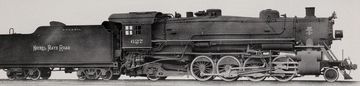
Nickel Plate Road class H-6
United States
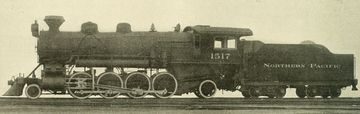
Northern Pacific classes WA, WB and W-1
United States
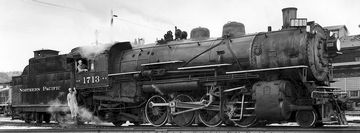
Northern Pacific classes W-3 and W-5
United States
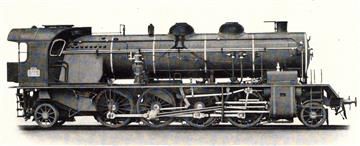
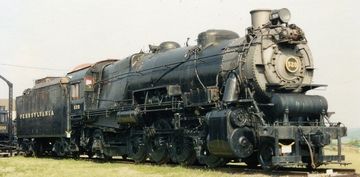
Pennsylvania class L1s
United States
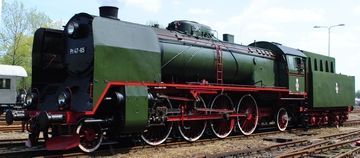
Polish State Railways Pt47
Poland
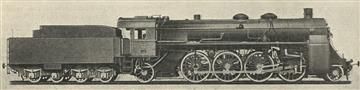
Saxon XX HV
Germany
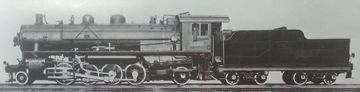
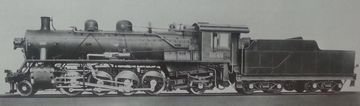
South Manchurian Railway Mikaro class
Manchuria
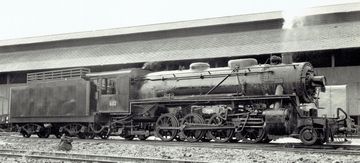
US Army Transportation Corps class S118
United States
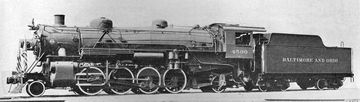
US Railroad Administration Light Mikado
United States
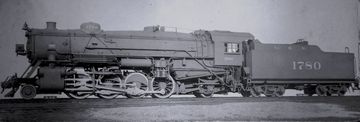
US Railroad Administration Heavy Mikado
United States
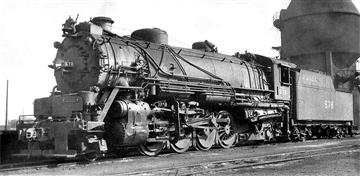
Chicago, Indianapolis & Louisville (Monon) class J-4
United States
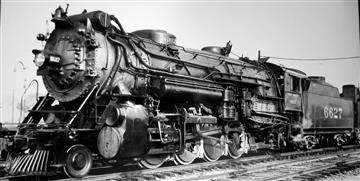
Southern Railway (USA) class Ms-4
United States
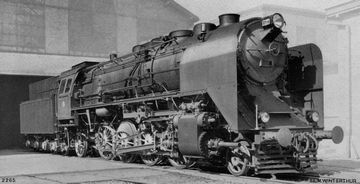
Bulgarian State Railway class 01
Bulgaria
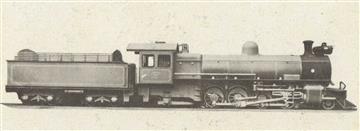
Central South African class 11
South Africa

Denver & Rio Grande Western class K-28
United States
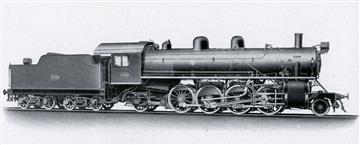
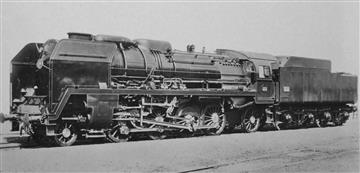
French State Railway 141 P
France
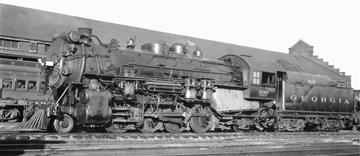
Georgia Railroad class F63
United States
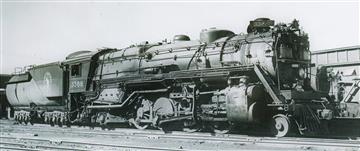
Great Northern (US) class O-8
United States

Hocking Valley class M-1
United States
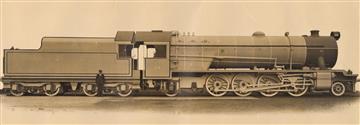
Indian Railways class XE
India
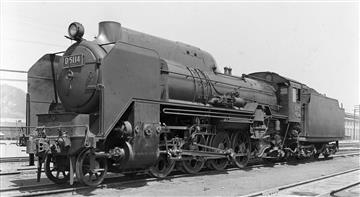
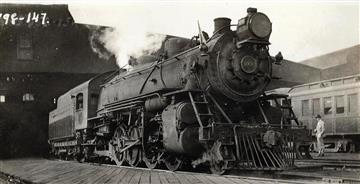
New Haven classes J-1 and J-2
United States
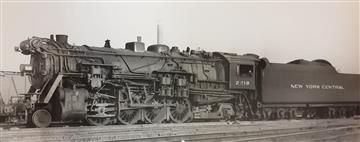
New York Central classes H-10a and H-10b
United States

South African class NG15
South Africa
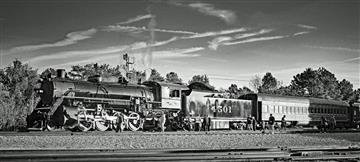
Southern Railway (USA) class Ms
United States
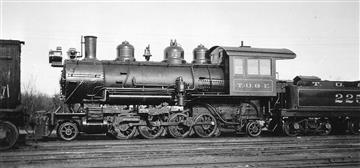
Texas, Oklahoma & Eastern No. 225
United States
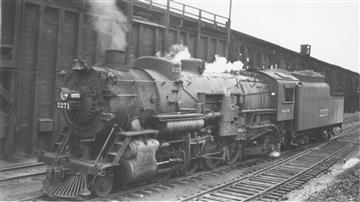
Wabash class K-3
United States
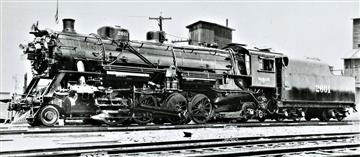
Wabash class K-5
United States
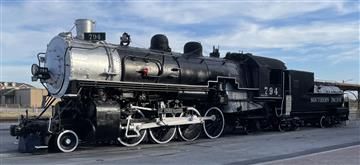
Southern Pacific classes MK-5 and MK-6
United States
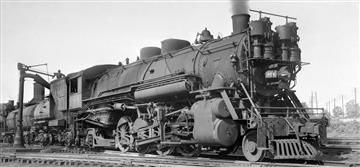
Seaboard Air Line class Q-3
United States
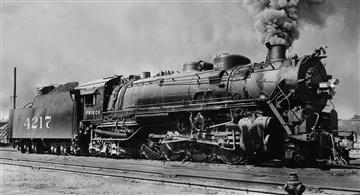
Frisco Lines class 4200
United States
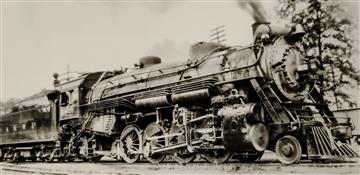
Atlanta & West Point class F
United States
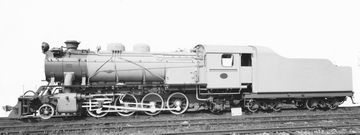
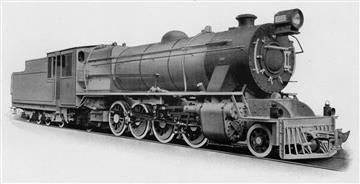
Indian Railways class YD
India
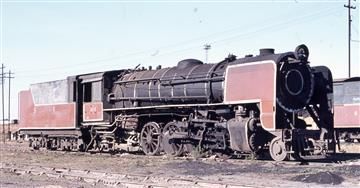
Indian Railways class YG
India

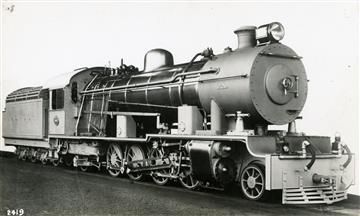
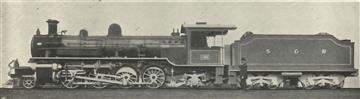
Sudan Railways class 180
Sudan
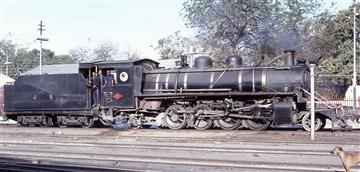
Jodhpur State class HGA
India
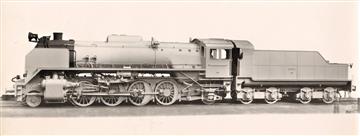

Tanganjika Railways class MK
Tanzania

Nigerian Railways River class
Nigeria
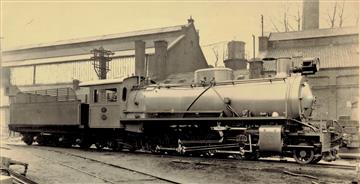
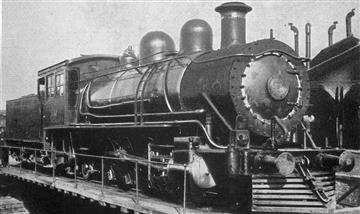
Nippon Tetsudō Bt4/6
Japan
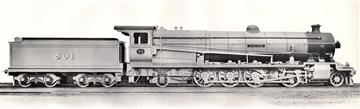
Nigerian Railways class 801
Nigeria
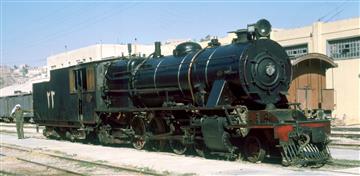
Hejaz Railway No. 21 to 23
Ottoman Empire
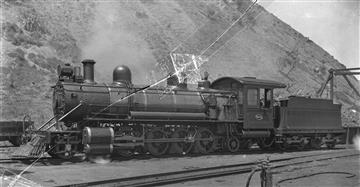
Wellington & Manawatu No. 17
New Zealand
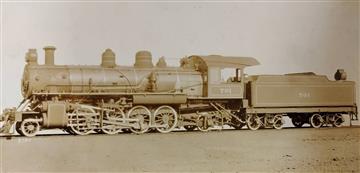
South Manchurian Railway No. 701 to 712
Manchuria
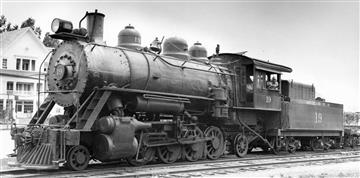
Caddo & Choctaw No. 4
United States
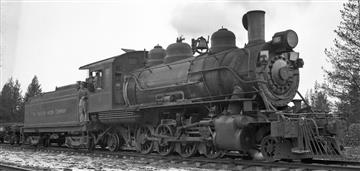
Shevlin-Hixon Co. Baldwin 2-8-2
United States
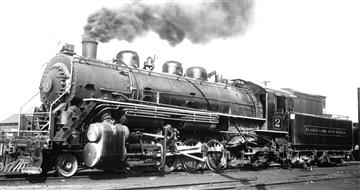
Alton & Southern No. 10, 11, 13 and 14
United States
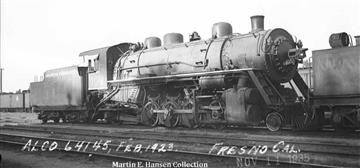
Minarets & Western No. 102 to 104
United States
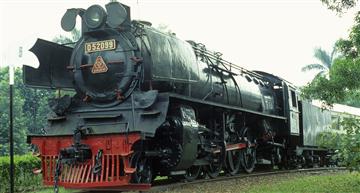
Indonesian State Railway class D52
Indonesia