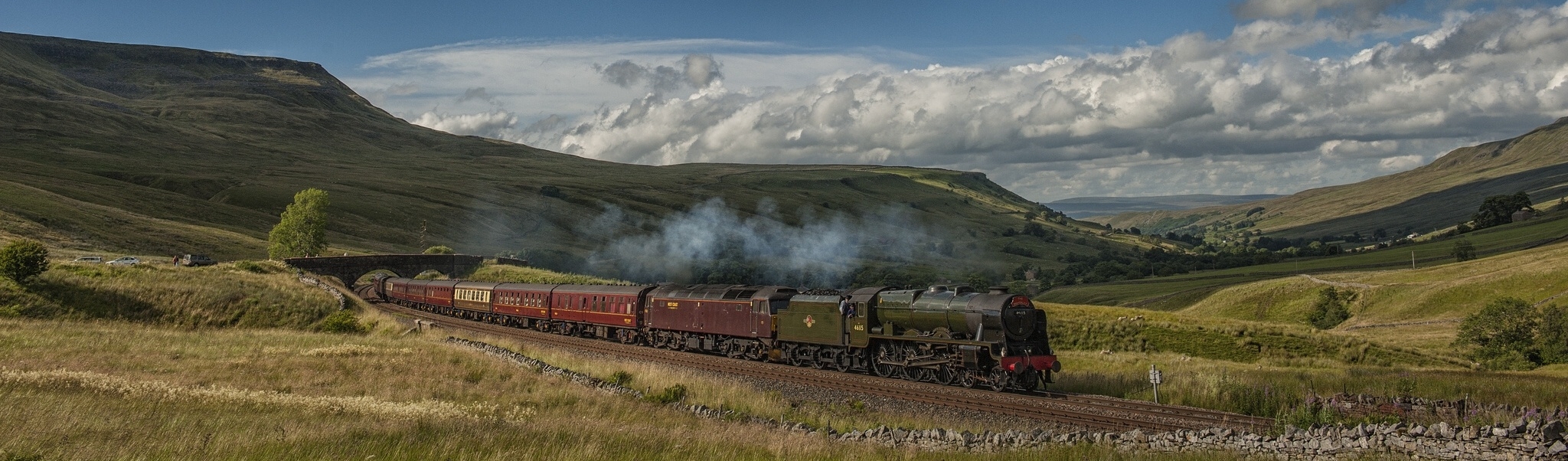



Tender Locomotives 4-8-2 “Mountain”
UIC Classification 2'D1'
The wheel arrangement 4-8-2 designates a steam locomotive that has a two-axle leading bogie, four coupled axles and a trailing axle. In different countries, this wheel arrangement is referred to as follows:
Mountain
UIC: 2'D1'
Whyte: 4-8-2
Switzerland: 4/7
France: 241
Turkey: 47
The main features of the Mountain were good guidance at speed due to the two-axle leading bogie/truck and a large firebox above the trailing axle that provided a high sustained steam production. While the first 4-8-2T tank locomotives were already built in the late 19th century, the first 4-8-2 tender locomotives were only created in 1906.
Like the first 4-8-2T, the first 4-8-2 was also introduced in Natal, South Africa. This was the NGR class B, originally built as 4-8-0. After it was found out that these locomotives had a bad running stability due to the big overhang at the rear, D.A. Hendrie fitted a trailing Bissel axle to six locomotives. The first new built 4-8-2 was the NZR class X of 1908 that still had its firebox above the rear driving axle.
A new NGR class B was introduced in 1909 that had its firebox behind the last driving axle. This allowed to fit a larger ash pan and grate, what led to a considerable increase in power. Soon the 4-8-2 became the most successful wheel arrangement in South Africa. Several classes were introduced over the years which grew heavier and heavier and soon were more powerful than earlier Garratts. This ultimately led to 255 locomotives of the class 15F and 235 of the class 19D, both introduced in the late thirties. They were mainly used as freight locomotives, but also had to haul heavy passenger trains.
In the USA, the wide firebox 4-8-2 was used where Pacifics were not powerful anymore for heavy passenger trains. The Chesapeake & Ohio was the first railroad in this country to introduce this wheel arrangement in 1911. Since their class J-1 was used to traverse the Allegheny Mountains, they chose the name “Mountain” for this wheel arrangement. Over the next decades, US railroads received around 2,200 Mountains. Their largest operator was the New York Central which called them “Mohawks” and ordered a total of 600. Others used them mainly in fast freight service, like the Pennsylvania Railroad with their 301 class M1 and M1a locomotives.
Another country where many 4-8-2 locomotives were used in fast freight service was Australia. In Europe, the 4-8-2 was a heavy express locomotive. French railways used a total of 275 of these types, there called 241. Many of these were four-cylinder compounds. Also Spain called this type 241 and more than 200 were ordered by several Spanish railways. Other European countries which successfully used 4-8-2 express locomotives were Bulgaria and Czechoslovakia. In Britain, where eight-coupled locomotives were usually used for heavy goods trains, the only two 4-8-2 locomotives were narrow gauge.
The most important successor of the 4-8-2 was the 4-8-4 “Northern” that had a larger firebox thanks to the two-axle trailing truck. For use in heavy and fast freight service, some railroads ordered the 4-10-2 that was like a 4-8-2 with an additional driving axle. But the 2-10-4 was more successful and had been derived from the 2-8-4 “Berkshire”.

Locomotives
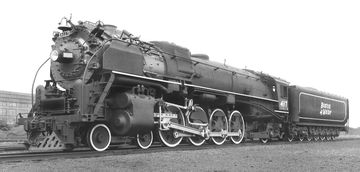
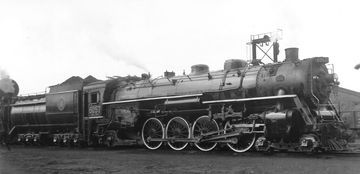
Boston & Maine class R-1
United States
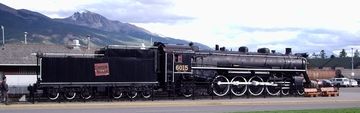
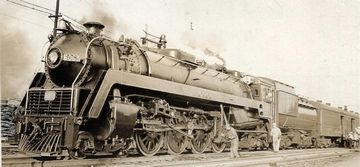
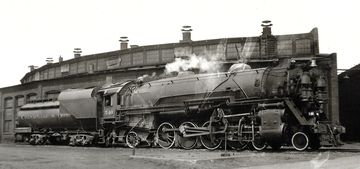
Canadian National class U-1f
Canada
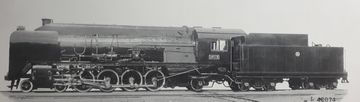
Chesapeake & Ohio classes J-1 and J-2
United States
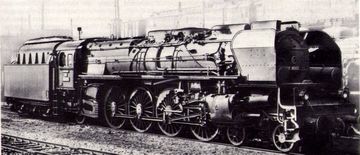
German Reichsbahn 08 1001
Germany
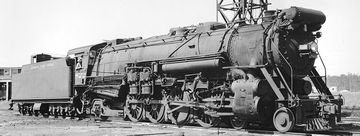
Florida East Coast class 801
United States
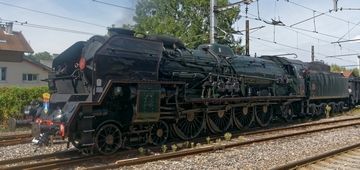
French State Railway 241 P
France
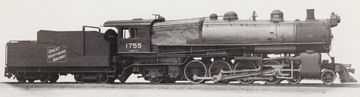
Great Northern (US) class P-1
United States

Natal Government Railways class B (1906)
South Africa

New York Central class L-2 “Mohawk”
United States

New York Central class L-3 “Mohawk”
United States
![New Zealand Railways classes J, J[h]A[/h] and J[h]B[/h]](/data/photosTN/NZR_J_1939.jpg)
New Zealand Railways classes J, JA and JB
New Zealand
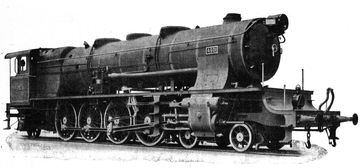
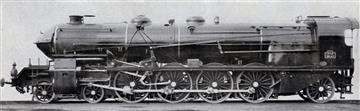
Norte series 4600
Spain
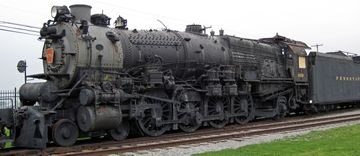
Pennsylvania classes M1 and M1a
United States
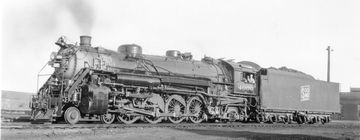
Soo Line class N-20
United States
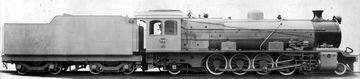
South African class 12A
South Africa
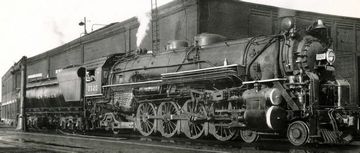
US Railroad Administration Light Mountain
United States

US Railroad Administration Heavy Mountain
United States
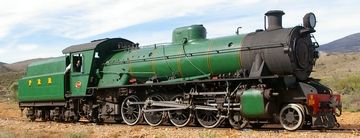
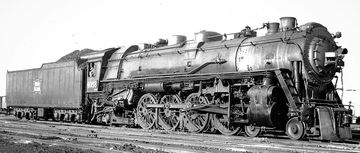
Chicago, Rock Island & Pacific (Rock Island) class M-50
United States
![Benguela 11[h]th[/h] class](/data/photosTN/Benguela_11.jpg)
Benguela 11th class
Angola
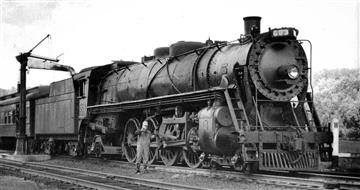
Central Vermont class U-1a
United States
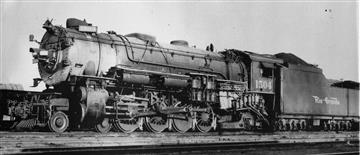
Denver & Rio Grande Western classes M-67 and M-78
United States
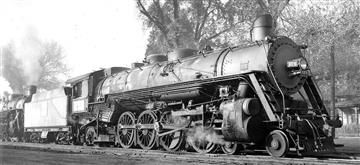
Florida East Coast class 401
United States
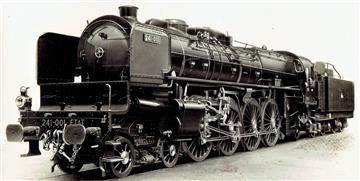
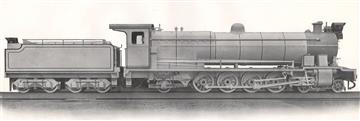

Illinois Central class 2500
United States
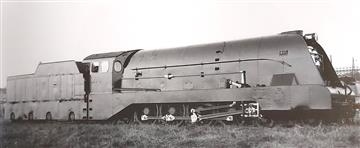
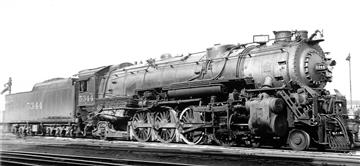
Missouri Pacific class MT-73
United States
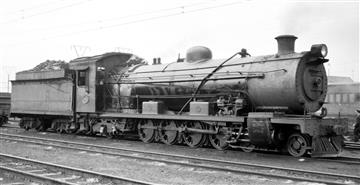
Natal Government Railways class B (1909) “Hendrie D”
South Africa
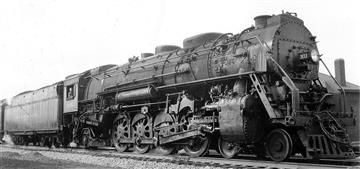
New York Central class L-4 “Mohawk”
United States
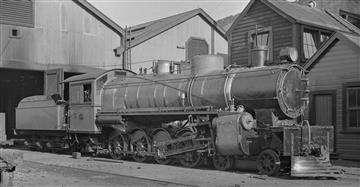
New Zealand Railways class X
New Zealand
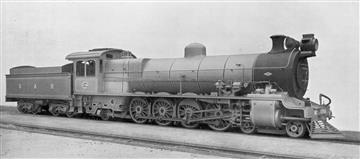
South African class 15A
South Africa
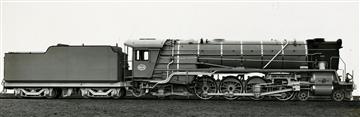
South African class 15E
South Africa
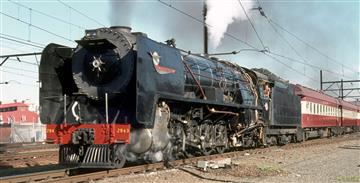
South African class 15F
South Africa
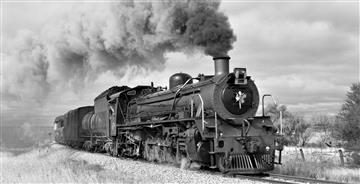
South African class 19D
South Africa
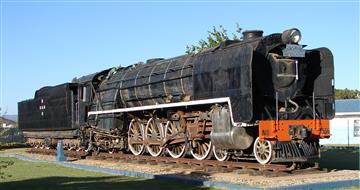
South African class 23
South Africa
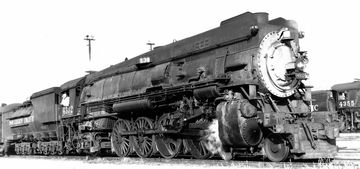
Southern Pacific classes MT-1, MT-3, MT-4 and MT-5
United States
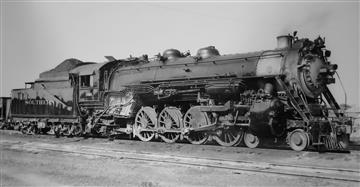
Southern Railway (USA) class Ts
United States
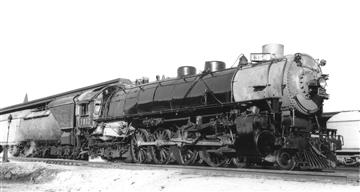
Union Pacific classes MT-1 and MT-2
United States
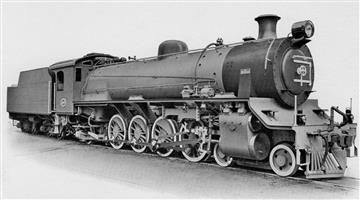
South African class 19A
South Africa
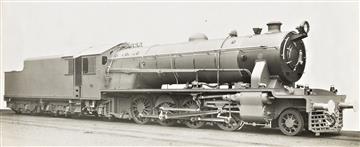
Indian Railways class XD
India
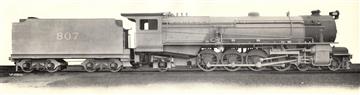
Nigerian Railways class 806
Nigeria