


Glasgow & South Western class 17
Great Britain 1910 15 produced
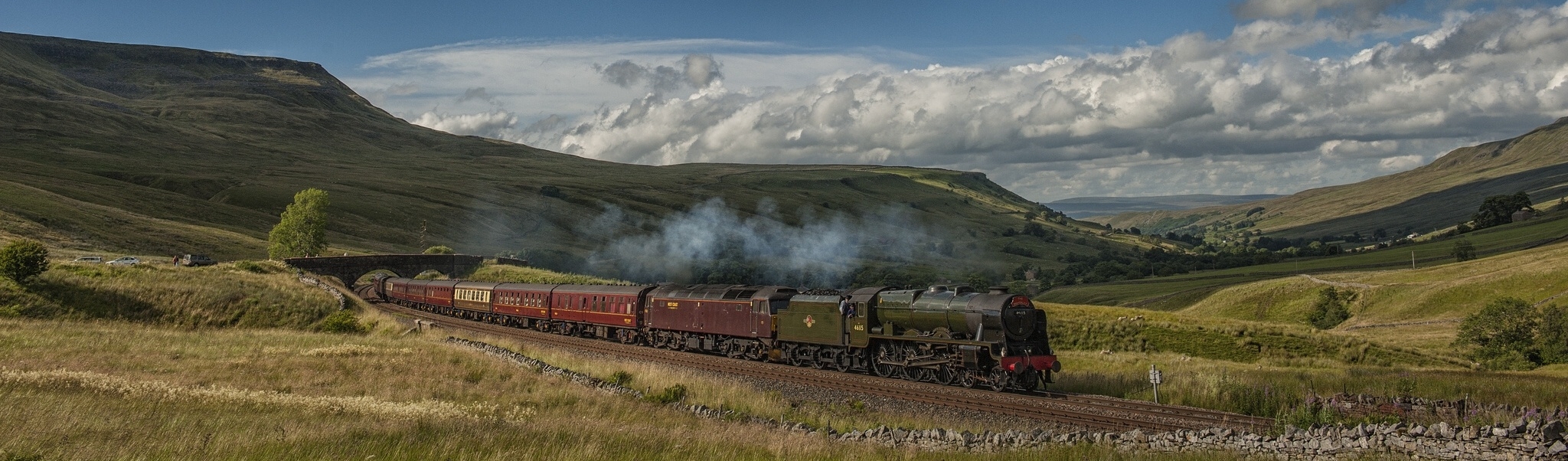
In 1910, James Manson introduced a new series of 0-6-0 goods locomotives. Generally similar to the class 317 built from 1910 by Neilson, Reid & Co., they came from the same manufacturer that was now part of North British. At five feet and one and a quarter inches, the drivers were a quarter of an inch smaller compared to their predecessors. While the size of the firebox was nearly the same, the new locomotives had more tube heating surface.
15 locomotives were delivered between July and November. In the original number scheme, they carried different numbers between 17 and 118. With the renumbering of 1919, they received consecutive numbers from 86 to 100. All were withdrawn between 1930 and 1937.
Technical data
General
- Built
- 1910
- Manufacturers
- North British
- Wheel arrangement
- 0-6-0 (Six-coupled)
- Gauge
- 1,435 mm (Standard gauge)
Dimensions and weights
- Wheelbase
- 5.13 m
- Total wheelbase
- 11.76 m
- Service mass
- 43.5 t
- Adhesion mass
- 43.5 t
- Total mass
- 76.2 t
- Rigid wheelbase
- 5.13 m
- Axle load
- 15.9 t
- Water capacity
- 13,185 l
- Fuel capacity
- 5.1 t (coal)
Boiler
- Grate area
- 1.672 m²
- Firebox surface
- 10.591 m²
- Tube heating surface
- 119.473 m²
- Evaporative heating surface
- 130.064 m²
- Total heating surface
- 130.1 m²
Power plant
- Driver diameter
- 1,556 mm
- Boiler pressure
- 11.4 bar
- Expansion type
- simple expansion
- Cylinders
- two, 457 x 660 mm
Power
- Power source
- steam
- Estimated power
- 485 kW
- Starting effort
- 85.8 kN
Calculated values
- Factor of adhesion
- 1 : 4.98
- Optimal speed
- 34 km/h
- Power-to-weight ratio
- 11.1 kW/t
- Heating Surface Equivalent
- 183.0 m²
- Cylinder volume/HSE
- 1 : 1,184.79
- Adhesive weight/Total
- 1 : 1.00
- Tractive force/Heating surface
- 1 : 13.78
- Grate area/Heating surface
- 1 : 77.79
- Firebox/Tube surface
- 1 : 11.28